





seo is good
seo is good description
Read More→
People form an opinion about your business before they read a single word, and your visuals do the talking. Cluttered, templated, or inconsistent design quietly drains trust, clicks, and sales — while polished design earns all three.
The tricky part is that design touches everything: your logo, your social posts, your packaging, your pitch deck, your storefront. Built in isolation, each piece makes your brand look scattered. Built from one visual system, they make it look established — and people pay more attention to a business that clearly has its act together.
Whatever your brand needs to look its best — on screen and in print — we design it. Explore each service:
Want to see what each of these costs? Check our transparent graphic design pricing.
Every project starts with understanding your brand, your audience, and the job each design has to do — because a billboard, an Instagram post, and a product label each demand a different approach. We design with that purpose in mind, not just to look pretty.
You get original work, never recycled templates: source files in the right formats, layouts that hold up at any size, and a look that stays consistent across every touchpoint. Revisions are built into the process, so we refine until it's right instead of handing over a 'take it or leave it' file.
Whether you're launching something new or finally fixing a brand that's drifted out of sync over the years, the result is the same — design that makes your business look credible, distinct, and ready to compete.
Graphic design is the invisible craft behind almost everything you look at — the logo on your phone, the packaging in your kitchen, the road sign you read without thinking. Here's the full picture: what it is, where it came from, and why it shapes how people see your brand.
Graphic design is the practice of communicating ideas visually — combining typography, color, imagery, and layout to inform, persuade, or guide. At its core it's problem-solving: taking a message and giving it a form the right people understand and remember. Good design isn't just decoration; it makes information clearer, products more desirable, and brands more trustworthy.
It spans an enormous range, from a single business card to an entire visual identity used across thousands of touchpoints. What ties it all together is intent — every color, font, and spacing choice is made on purpose, in service of the message.
While people have communicated with images since cave paintings, modern graphic design began with the printing press. Gutenberg's movable type in the 15th century made mass communication possible and turned layout and typography into a craft. For centuries, design and print evolved together through posters, books, and advertising.
The early 20th century gave design its modern language. Movements like the Bauhaus in Germany and, later, the Swiss (International) Style championed clarity, grids, and clean typography — principles that still underpin design today. The mid-century boom in brands and advertising made logos and identity systems a discipline of their own.
Then came the computer. Desktop publishing in the 1980s put professional tools in far more hands, and the internet expanded design from print into screens, interfaces, and motion. Today a graphic designer might move from a packaging label to a social campaign to an app screen in a single week.
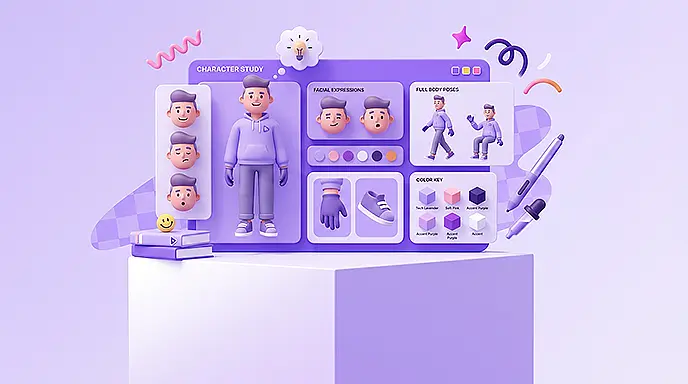
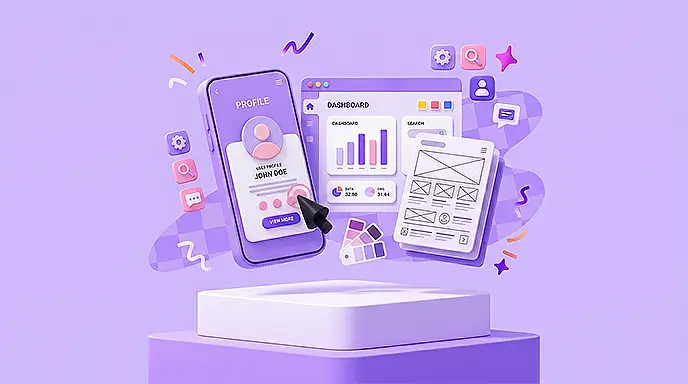
The field has specialized over time. Brand identity design covers logos and the systems around them. Marketing and advertising design produces the visuals that sell — social posts, banners, billboards. Packaging design shapes how a product looks and sells on the shelf. Publication and editorial design lays out books, magazines, and catalogs. Illustration creates original artwork, and UI design brings these principles to digital screens. Most real projects blend several of these at once.
Strong graphic design rests on a few timeless principles: hierarchy (guiding the eye to what matters first), contrast (making important elements stand out), balance (arranging elements so a composition feels stable), alignment (creating order and connection), and consistency (so everything feels like it belongs to the same brand). These rules are why a professional design feels effortless to read — and why a weak one feels 'off' even when you can't say why.
Print and digital share the same principles but play by different rules. Print is fixed and physical: color is set in CMYK, resolution and bleed matter, and there are no second chances once it's printed. Digital is flexible and interactive: color lives in RGB, designs must adapt to countless screen sizes, and elements can move and respond. The best brands keep one consistent identity across both — so a customer recognizes them whether they're holding a business card or scrolling a website.
People judge credibility in seconds, and design does most of that talking. Consistent, professional visuals build trust, make you look established, and help customers remember you. Beyond looks, good design works: clearer layouts convert better, strong packaging sells more, and a coherent identity makes every ad and post more effective. In a crowded market, design is often the difference between being chosen and being scrolled past.
If you are looking for a professional way to present your services, build audience trust, and increase sales, contact us via WhatsApp or Telegram and place your Graphic Design order. We are ready to offer the best solution based on your brand needs and budget.
Common questions before you brief a designer.
It depends on the service and scope — a logo, a packaging design, and a full brand system are very different projects. We keep pricing transparent; see our graphic design pricing page or send us your brief for an exact quote.
Yes. You receive the source files and full rights to the designs we create for you, in the formats you need for both print and digital.
Absolutely. If you already have a logo and brand colors, we design new pieces that stay consistent with them. If you don't, we can build that foundation first.
Small pieces can be ready in a few days; larger projects like packaging or a full identity take longer. We give you a realistic timeline upfront based on your brief.
The latest content and practical tips on content creation and digital brand growth.